Salmon Restoration
Free Movement of Life through Clean Waters
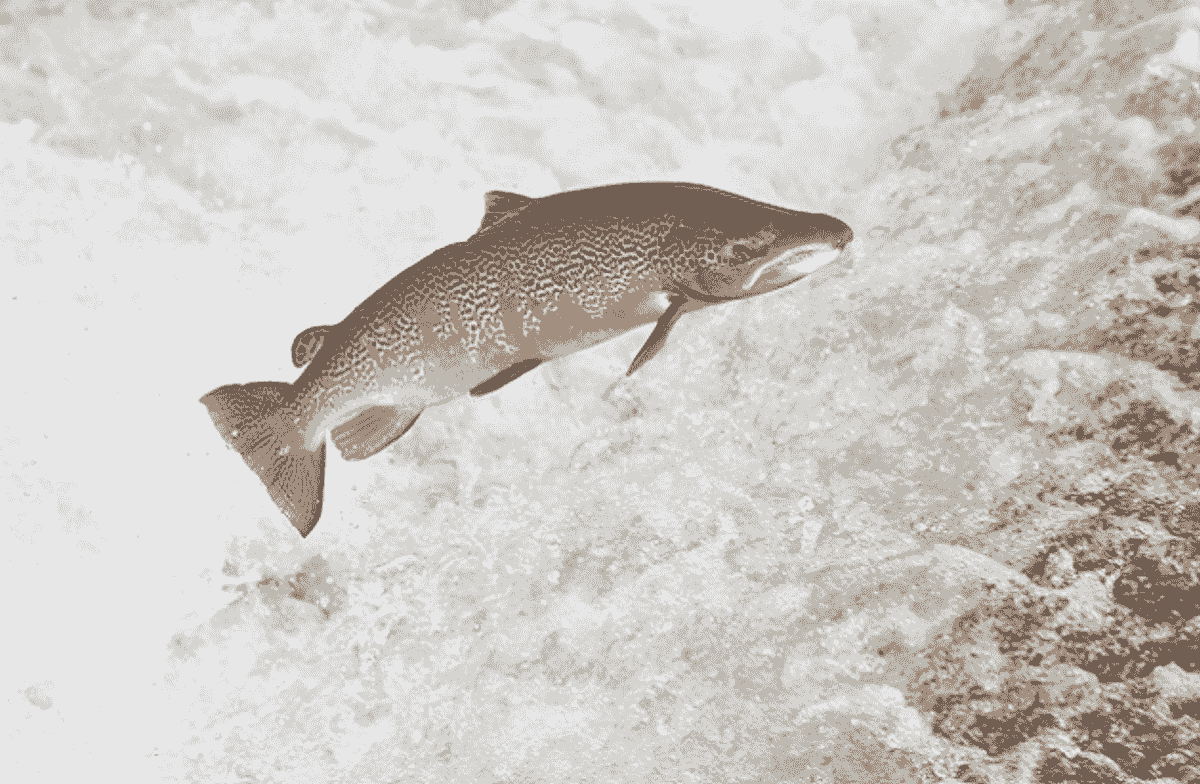
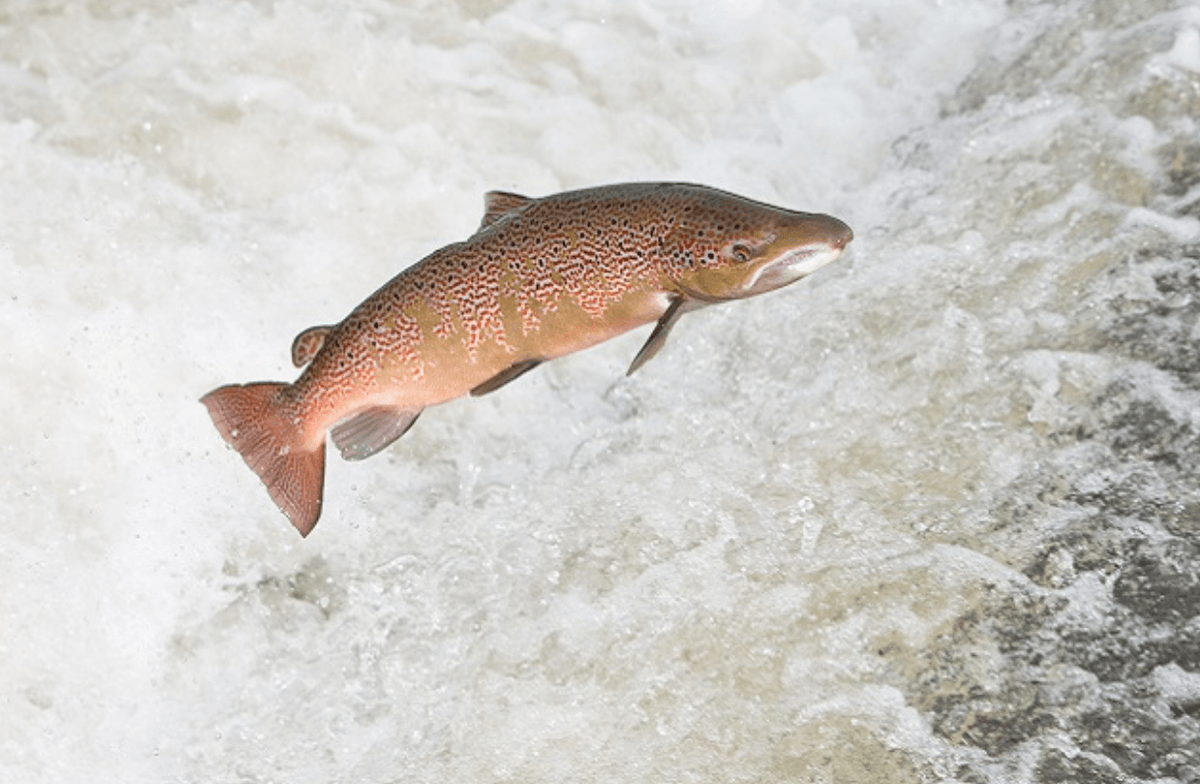
Atlantic salmon are an iconic species of the River Dart. Their life cycle depends on clean water, suitable spawning gravels, safe downstream smolt migration, and open passage back upstream for returning adults.
Across the UK, salmon numbers have declined due to a combination of pressures including habitat loss, water quality issues, barriers to migration, high water temperatures, altered flows, and marine survival challenges. Restoration is rarely about one single fix — it requires consistent work over time.
What salmon need to thrive
- Clean, well-oxygenated gravels for spawning and egg survival
- Cool, shaded water during warm weather
- Good juvenile habitat (refuge, cover, varied flows)
- Unobstructed migration routes for smolts and returning adults
- Reduced silt and pollution events which can severely impact survival
What our club supports
Our club supports salmon restoration by:
- Promoting and assisting habitat improvements that benefit salmon at every stage
- Helping identify and report migration barriers and obstructions
- Encouraging best practice to protect spawning redds
- Supporting monitoring and conservation activity led by local partners
How members can help
- Avoid wading through shallow gravel runs during spawning season
- Learn to recognise redds (spawning nests) and keep well clear
- Report pollution, fish distress, or barriers promptly
- Fish responsibly, particularly during low flows and warm temperatures
Salmon restoration is long-term work — but every improvement made upstream helps every fish downstream.