Healthy Water
A healthy River Dart depends on clean, balanced water that supports fish, spawning habitat, and strong aquatic insect life. Clear water alone is not enough — the river must be chemically stable and biologically active.

What We Do (Protecting the Dart)
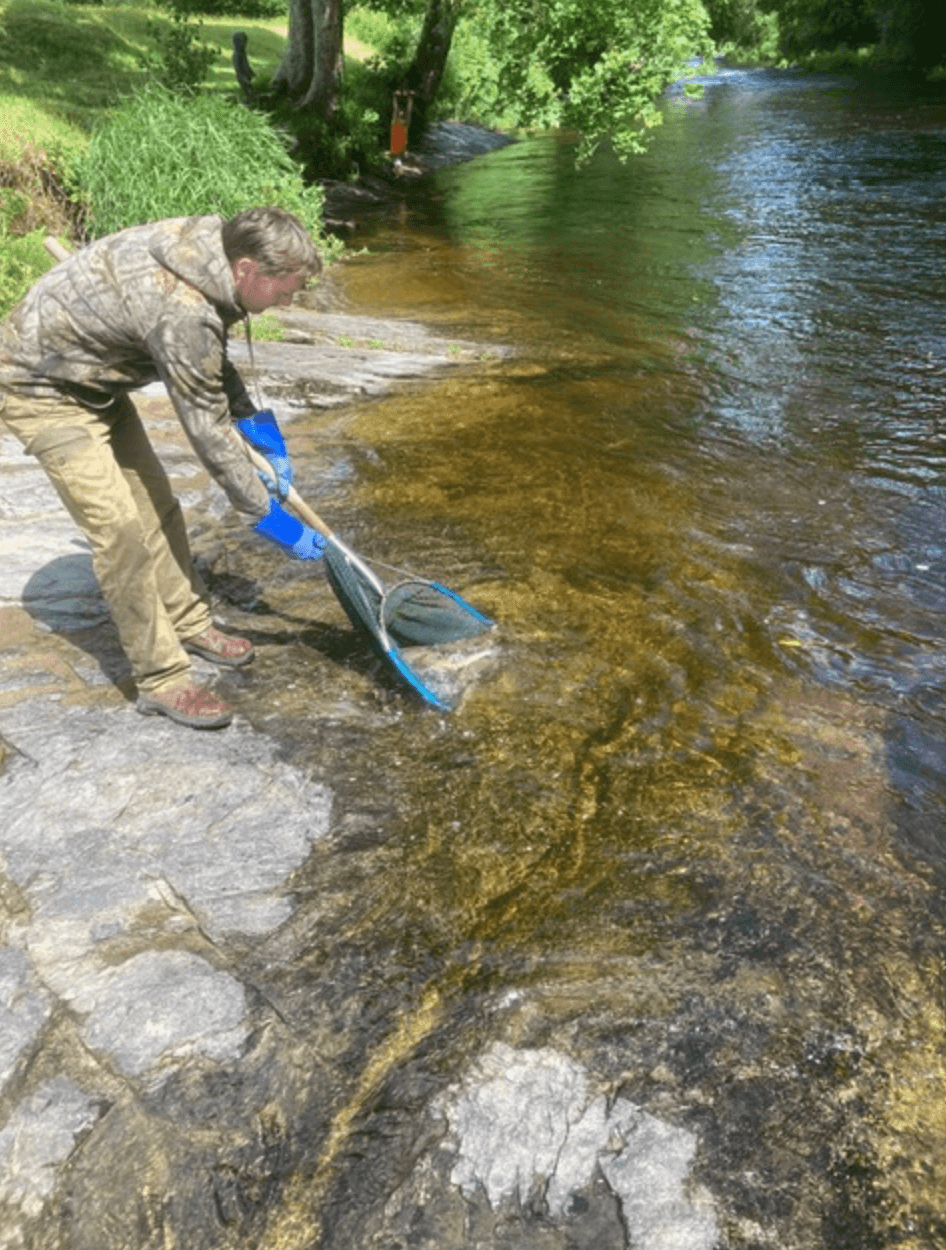
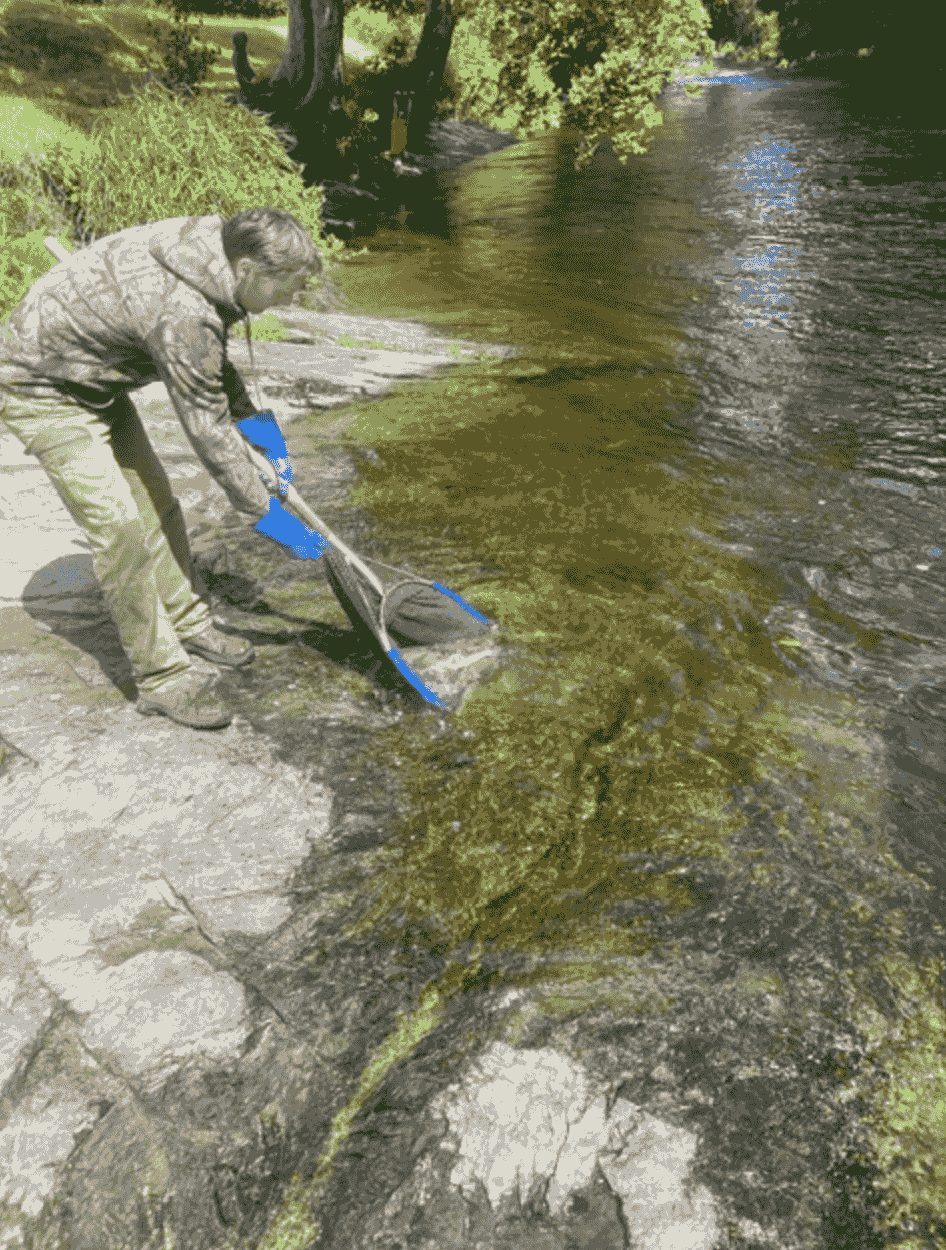
Protecting the River Dart requires more than good intentions — it requires evidence, monitoring, and practical action. Our club supports conservation by tracking water quality, reporting incidents quickly, and working with partner organisations to protect and restore the river. Our water quality work, facilited by our partners includes
Testing for:
- bacteria and contamination indicators (including E. coli where applicable)
- pH levels
- alkalinity
- other basic chemical indicators that help identify changes in river health
Recording conditions such as flow, temperature, discolouration, odour, and insect activity
Building evidence over time to identify patterns and persistent issues
What healthy water looks like
- Oxygen-rich: Good dissolved oxygen keeps fish active, reduces stress, and supports insects. Low oxygen is most common during warm, low-flow periods.
- Stable pH: A steady pH supports insect life and healthy development of eggs and fry. Sudden shifts can cause damage long before it becomes visible.
- Low nutrients: Excess nutrients can trigger algae and reduce oxygen. Healthy rivers maintain a natural balance.
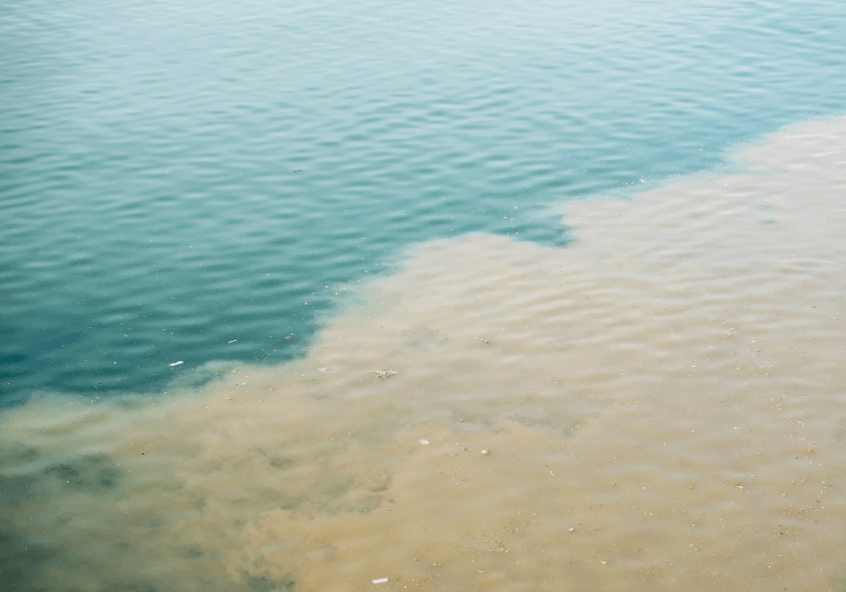
- Clean gravels / low silt: Fine silt smothers spawning gravels, reduces oxygen in the gravel bed, and harms salmon and trout survival.
- Abundant insect life: Mayflies, stoneflies and caddis are key indicators of river health — and essential food for fish.
- Natural flow and temperature: Cool, shaded water improves oxygen levels and resilience, especially in summer.
In short: a healthy Dart is oxygenated, stable, insect-rich, and naturally functioning.
Help us End Pollution
Free Movement of Life through Clean Waters
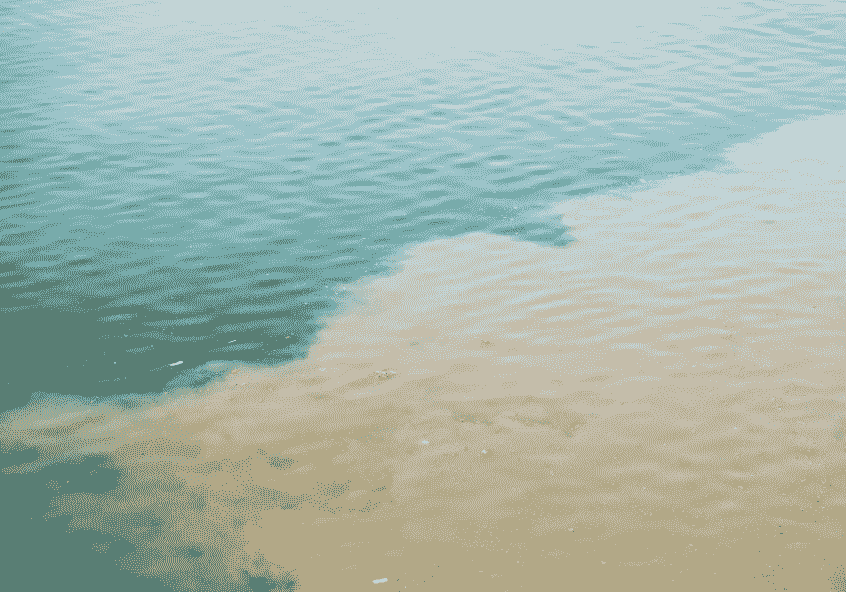
Water quality is one of the biggest factors affecting the Dart and its fish. Pollution events can damage insect life, smother gravels, reduce oxygen, and in severe cases kill fish.
Anglers are often the first to notice changes — and fast reporting makes a real difference.
Our club is committed to protecting the river by: challenging pollution and persistent poor water quality supporting members to report incidents properly carrying out free water sampling in areas of concern to build evidence over time
Not all pollution is obvious. Repeated low-level discharges and silt runoff can be just as damaging — which is why monitoring and evidence matter.
What to look out for
Report anything unusual, including:
- milky discolouration, strong odours, oily sheen
- foam or surface scum
- sewage fungus (grey/white “cotton wool” on stones)
- dead fish or fish gasping
- algal blooms
- heavy silt entering from drains, banks or tributaries

What to do
- Take photos/video (if safe)
- Record location (what3words if possible), time/date, and conditions
- Report it
- Inform the club so we can follow up and consider sampling
Reporting contacts
Environment Agency Incident Hotline (24/7): 0800 80 70 60
Please copy in Conservation@DartAnglingAssociation
If linked to water services, also report to South West Water
If in doubt — report it. Early reporting protects the river.