
Sea Trout
About Sea Trout
Sea trout are the migratory (sea-going) form of the brown trout (Salmo trutta). As they leave the river and adapt to saltwater, an osmotic change causes them to turn a striking silver colour.
When they return to freshwater to run and spawn, that silver gradually fades and the fish darkens again — often taking on the rich, moody tones anglers associate with the Dart’s spring and summer runs.
Known locally as peal (including shoals of smaller “school peal”) and, in older Westcountry terminology, truff, sea trout are among the most fascinating — and frustrating — fish an angler can pursue.
They can be incredibly elusive, yet on the right night, in the right conditions, the River Dart can produce unforgettable sport.
Fishery
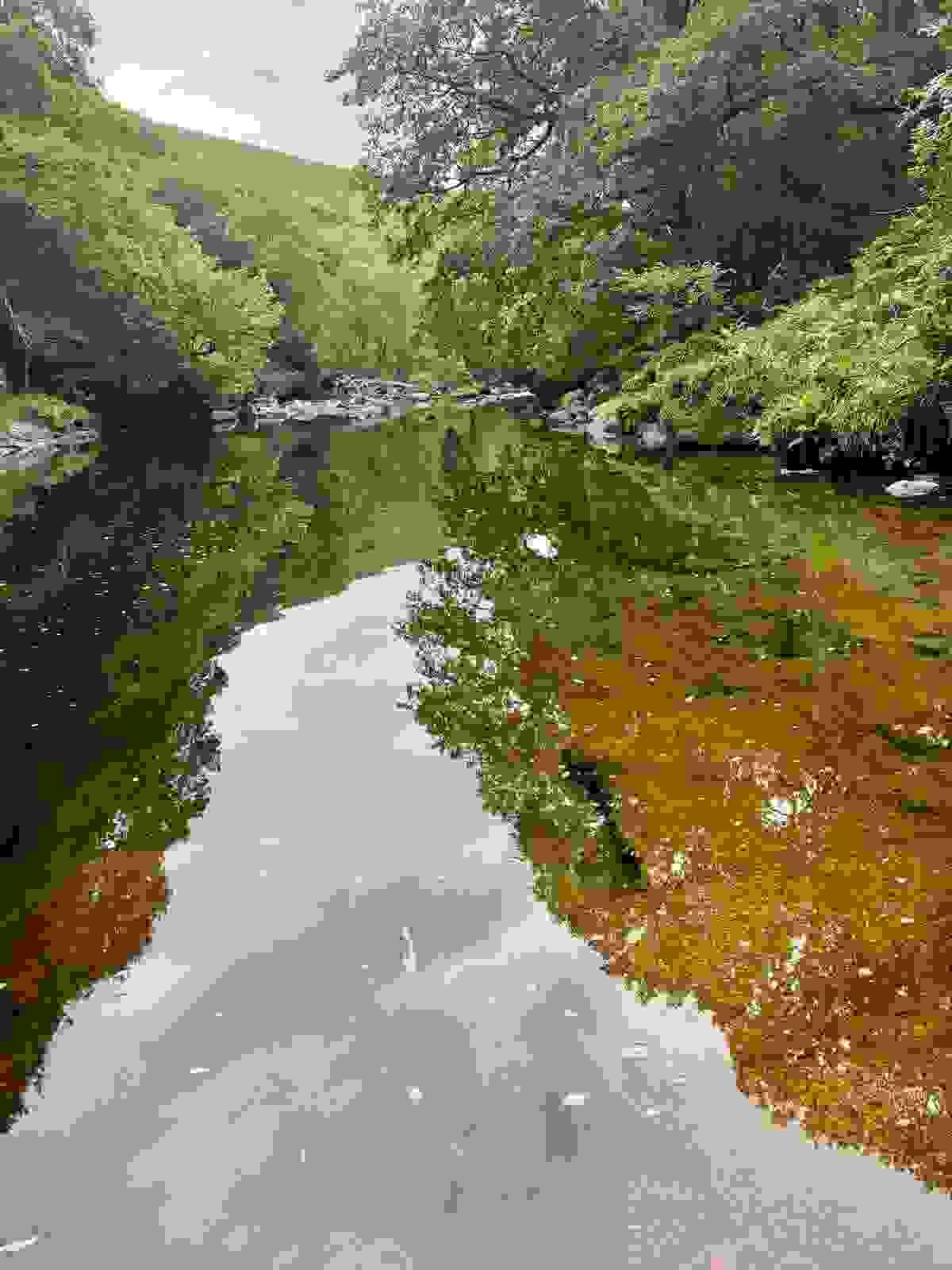
Visitor fishing is available on two stretches of the river: the Totnes Weir Pool (yellow on the map), where one night sea trout ticket is available, and the Church Commissioners’ water (green), where two night tickets are available; additional water (red) is reserved for members.
The larger fish are typically those entering the river early in the season, with the Association record an exceptional 17lb+ fish taken in 2007, and the river record also caught that year measuring an astonishing 42 inches—both released unharmed.
Most early-season fish are around 2–4lb, while some juvenile fish return later in the year as small “school peal.” Although the Dart has experienced the national decline in sea trout runs—particularly in school peal, which once shoaled in huge numbers from late June to early September—there are still good fish available and always the chance of a fresh run fish.
As a conservation measure, we advise releasing fish (especially hens) over 6lb, and the bag limit is two fish per night.
Totnes Weir Pool
Totnes Weir Pool is regarded as the classic location for spring sea trout fishing, and anglers should be aware of a few key features. Most importantly, the pool is tidal, and fishing is generally only productive for a couple of hours either side of low tide. The ideal time to fish is when the tidal height at Totnes is below 1.5 metres. This information can be found in any good online tide table (for example, tides4fishing).
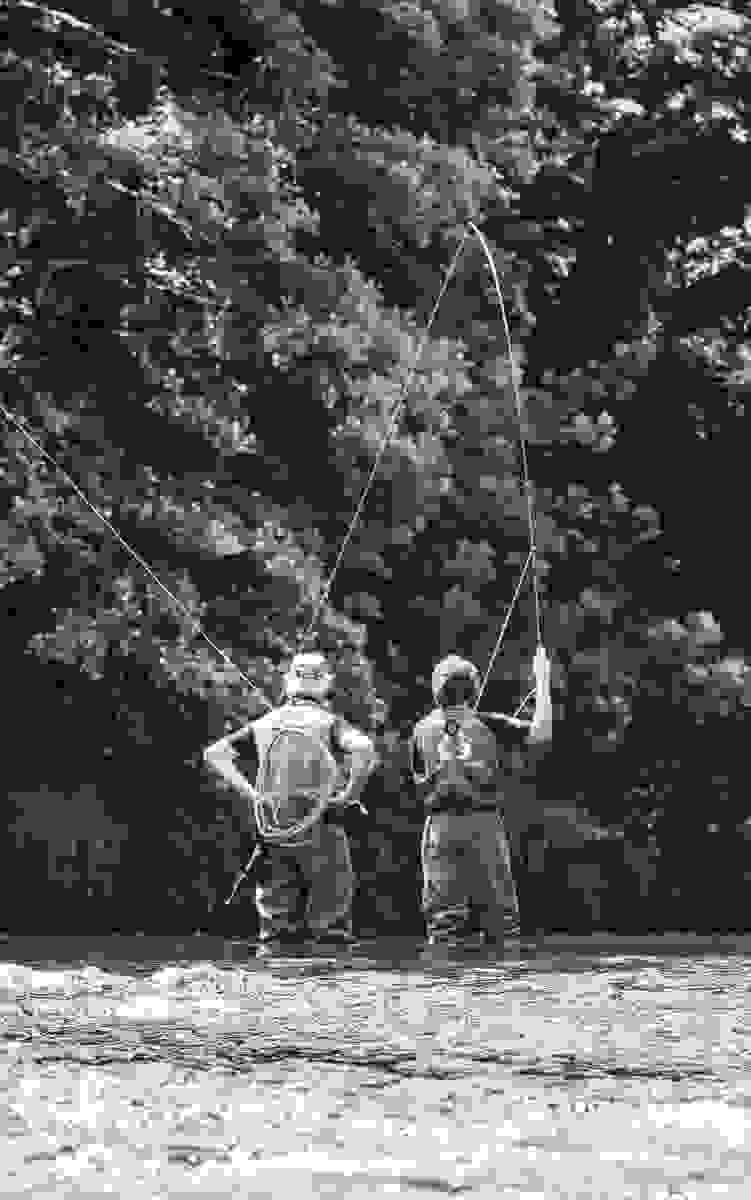
Most of the wading is safe, although it can be more awkward on the left bank. Chest waders are essential, along with warm, waterproof clothing—May nights can still be close to freezing and conditions can be very wet.
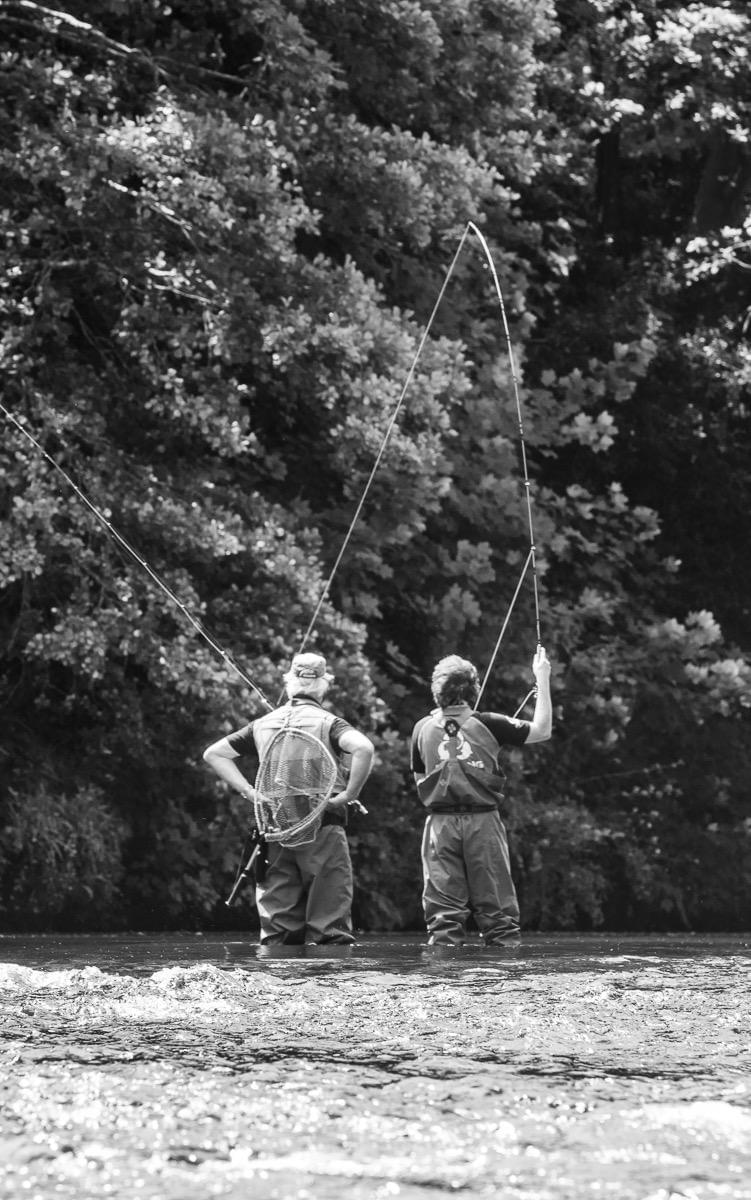
Visitors should also be aware that the Weir Pool can be very popular on some nights. It is therefore advisable to arrive before dark and introduce yourself to any members waiting to fish. They will usually be happy to offer advice on fishing the pool and local etiquette. It is also recommended to have two outfits set up in advance, ready to use as different areas of the pool become available (or unavailable) depending on the tide and the number of anglers present.
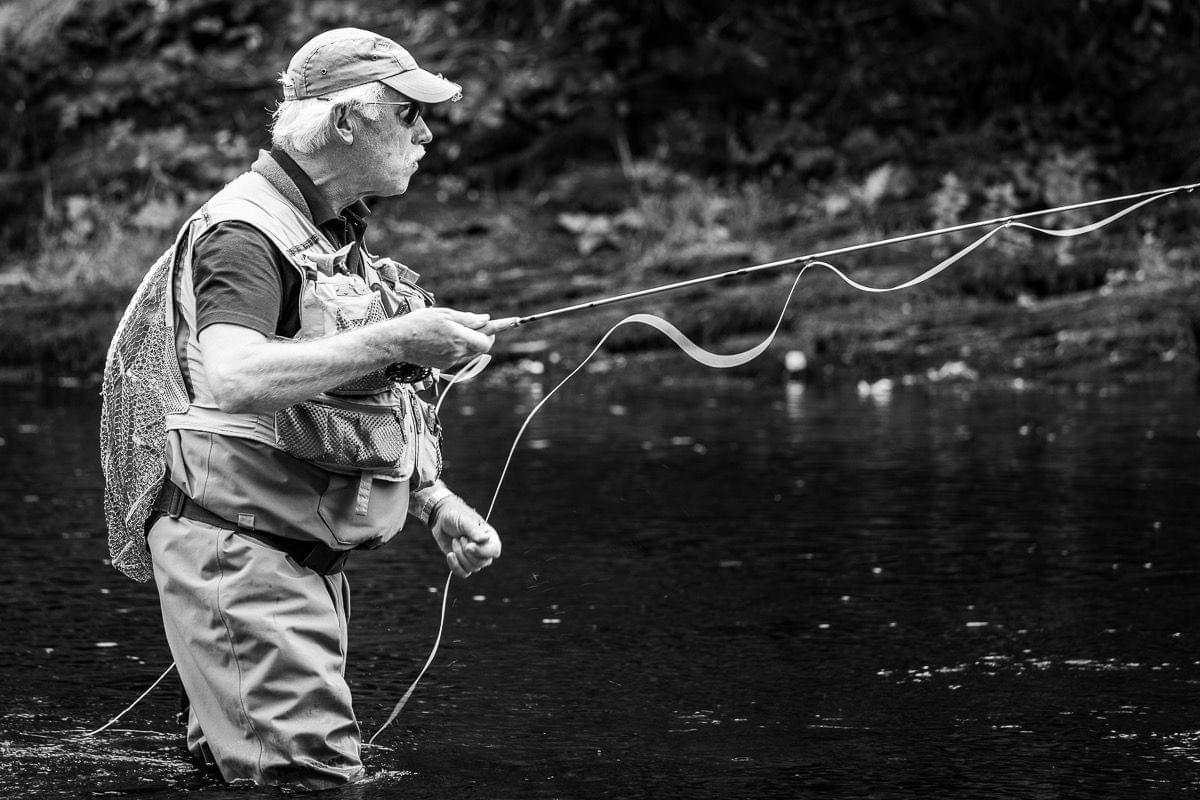
One outfit should be relatively heavy: a 10ft #7/8 rod, a fast-sinking line, a 10lb leader, and large flies. Early in the season, aluminium tubes up to 3 inches often prove successful on the sinking line. Effective patterns include Alexandra (the Dart fly), Stoat, Silver Stoat, or any similar favourites.
The second outfit can be lighter: a 9–10ft #6/7 rod, an intermediate or floating line, a 7lb leader, and smaller flies (sizes 8–6) or small plastic tubes. In addition to the patterns above, try Mallard & Claret, Peter Ross, or Teal, Blue & Silver. Some reservoir patterns will also take fish.

Up-river
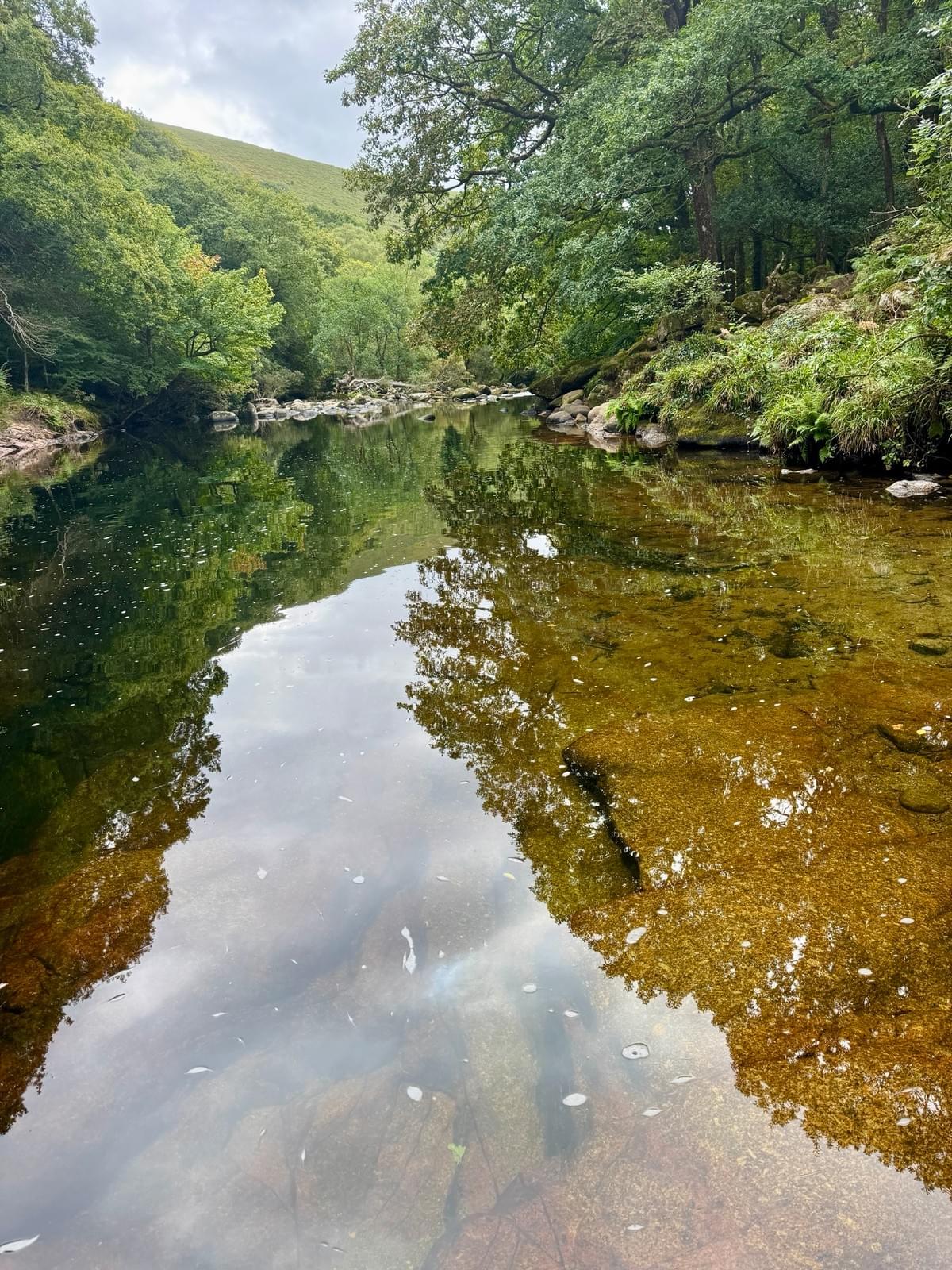
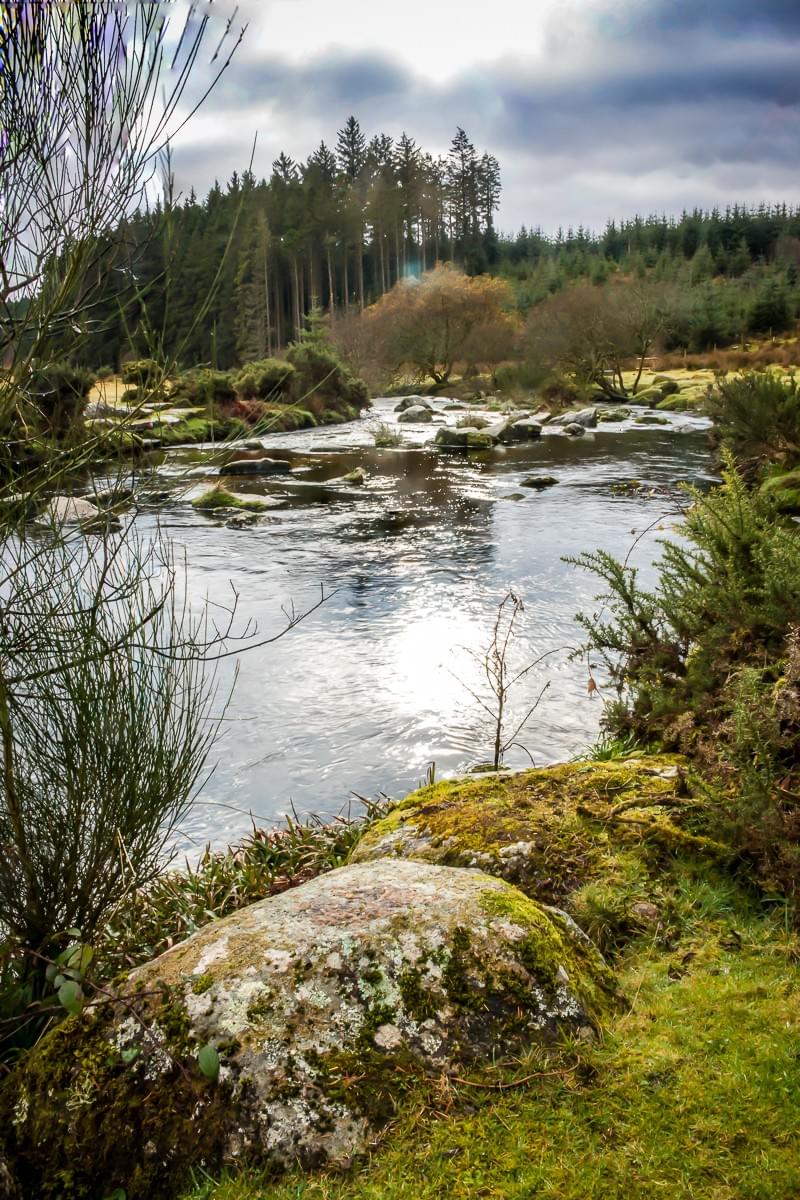
Generally speaking, the up-river beats—including the Church Commissioners’ water—tend to be less busy than Totnes Weir Pool. Even so, pools close to access points (and, in some cases, those opposite the bank) are often more popular. You may therefore be better advised to fish a more distant pool until later in the night, when some members will have departed.
In all cases, you should recce your intended pools in daylight, and carry a mobile phone and two torches when fishing. Turning up at an unknown stretch of river at dusk is inviting disaster.
The lighter outfit mentioned in the Totnes Weir Pool section will generally suffice for fishing further up-river. Earlier in the season, when water levels are higher, you may wish to use an intermediate line; as the season progresses and levels fall, a floating line will usually be more suitable. This set-up is also effective for daytime fishing in high and/or coloured water, when peal can occasionally be encountered.
In addition to the fly patterns mentioned in the previous section, surface lures or muddlers can sometimes be effective. The muddler may be fished on a dropper, with a conventional fly on the point.